Fruit acid skin peel
Roughly speaking, our skin consists of three layers: the outer layer of skin (epidermis), the middle layer (dermis), and the subcutaneous tissue (subcutis). You've probably heard that before. Each of these layers is in turn made up of several layers. The lowest layer of the epidermis is called the basal layer, and this is where new skin cells are formed. These cells migrate to the surface, die off, and are eventually shed as flakes of dead skin. Our skin is constantly busy with these processes of forming new cells and shedding old ones.
Depending on your predisposition and environmental influences, the epidermis varies in thickness, and keratinization disorders can develop over the course of your life. Keratosis pilaris, also known as "chicken skin," is a harmless but unsightly keratinization disorder of the hair follicles that causes rough patches and small papules, typically on the upper arms and thighs, but also on the buttocks and face.
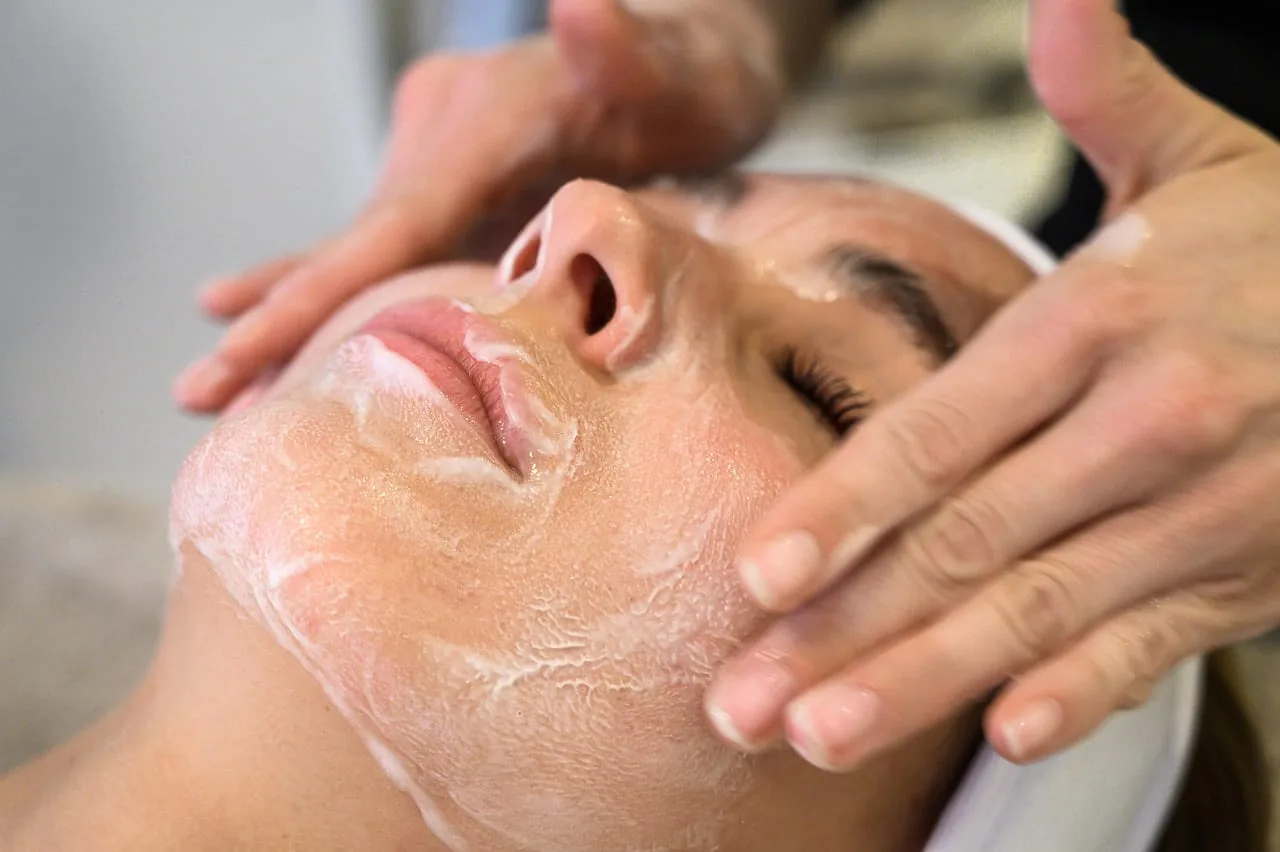
For the skin peel, we use fruit acids. They loosen the cohesion between the cells of the outermost layer of skin (stratum corneum) and make it easier for flakes of dead skin to come away. This stimulates skin renewal and increases hydration. The skin looks firmer and smoother, and even superficial acne scars can be significantly improved.
During the treatment, the fruit acid (we use a blend of 40% glycolic acid and 10% citric acid, from SkinCeuticals, of course!) is applied to the skin like a face mask and can remain on the area being treated for up to 6 minutes. The longer the application time, the deeper the peel works. All you will notice is a tingling or slight burning sensation. Slight redness and later crusting of the top layer of skin are possible. However, a fruit acid treatment is much gentler than dermabrasion, for example. You can resume your normal activities after the treatment, and there is usually no downtime!
By the way, fruit acid peels can be done all year round. Just make sure you don't spend long periods sunbathing with the freshly treated areas over the following days, and be sure to use a sunscreen with a suitably high protection factor.
Not sure which sunscreen is really good? Take a look at our article on sun protection!
Your team at Skinthetics Cosmetics
You can find more information and answers on our fruit acid peel page.